
Organic Sunflower Farming
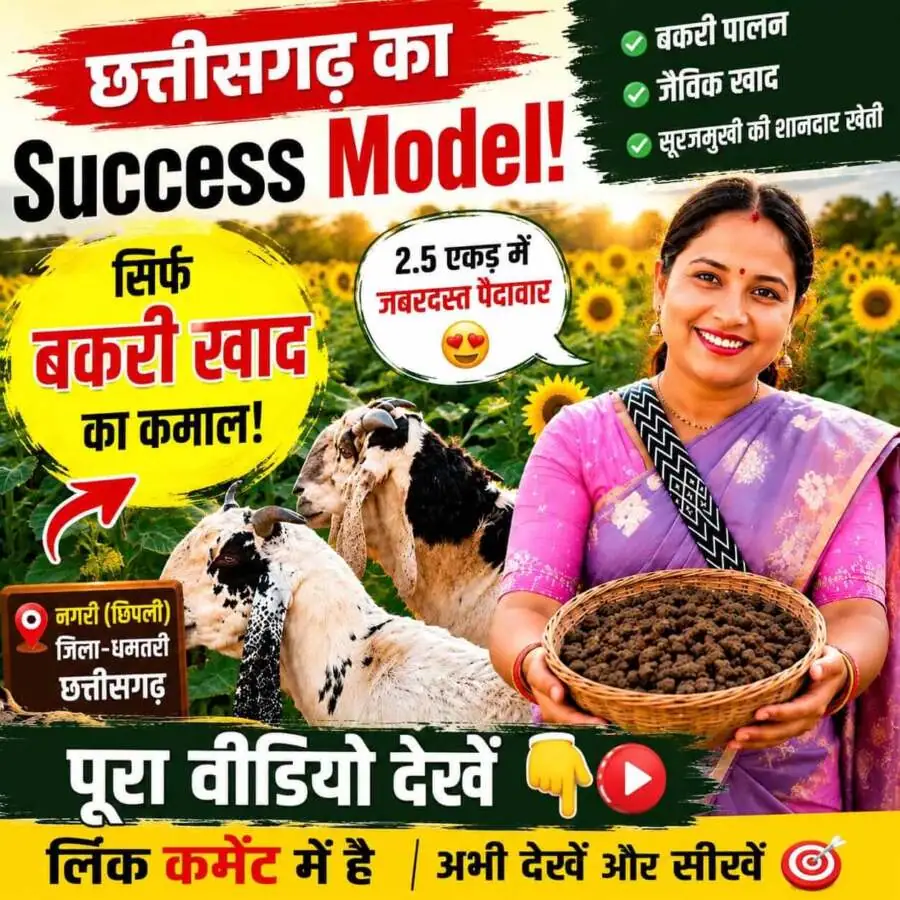
Discover how an inspiring women’s self-help group in Dhamtari, Chhattisgarh, transformed a barren, hardened 2.5-acre plot into a thriving, golden field of oilseeds. By ditching chemicals and utilizing the nutrient-rich power of farm-sourced goat manure, they created a highly profitable, 100% organic blueprint for modern sustainable agriculture.
Organic Sunflower Farming
Focus Keyword: Organic Sunflower Farming
Introduction
Across the globe, the paradigm of modern agriculture is shifting. Decades of heavy reliance on synthetic fertilizers and chemical pesticides have left soils depleted, water tables contaminated, and farmers trapped in expensive input cycles. In response, a quiet revolution is taking place on the ground, led by grassroots innovators who are returning to ancestral wisdom backed by sustainable practices.
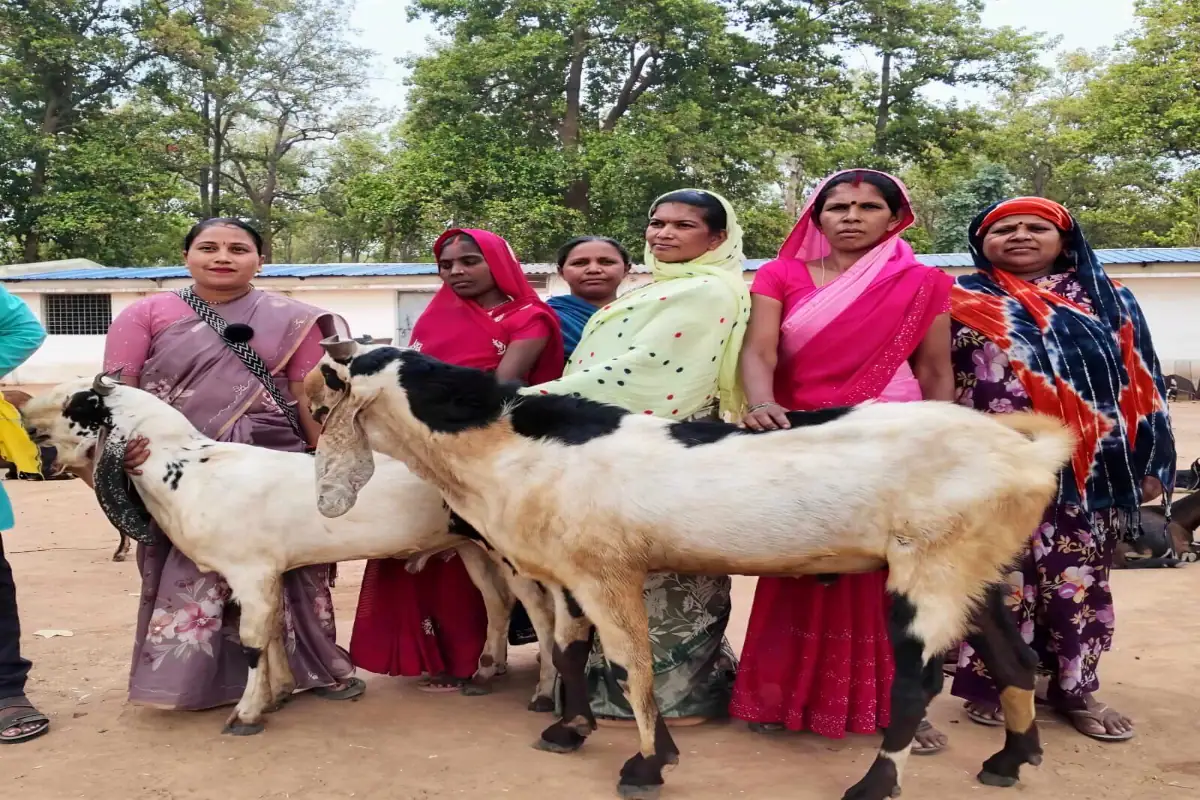
A prime example of this movement can be found in Chipli, a small village near the Nagri block in the Dhamtari district of Chhattisgarh, India. Here, an all-women self-help group named the Swalambi Swasahayata Samuh has turned a barren, hardened piece of land into a thriving, golden field of oilseeds.
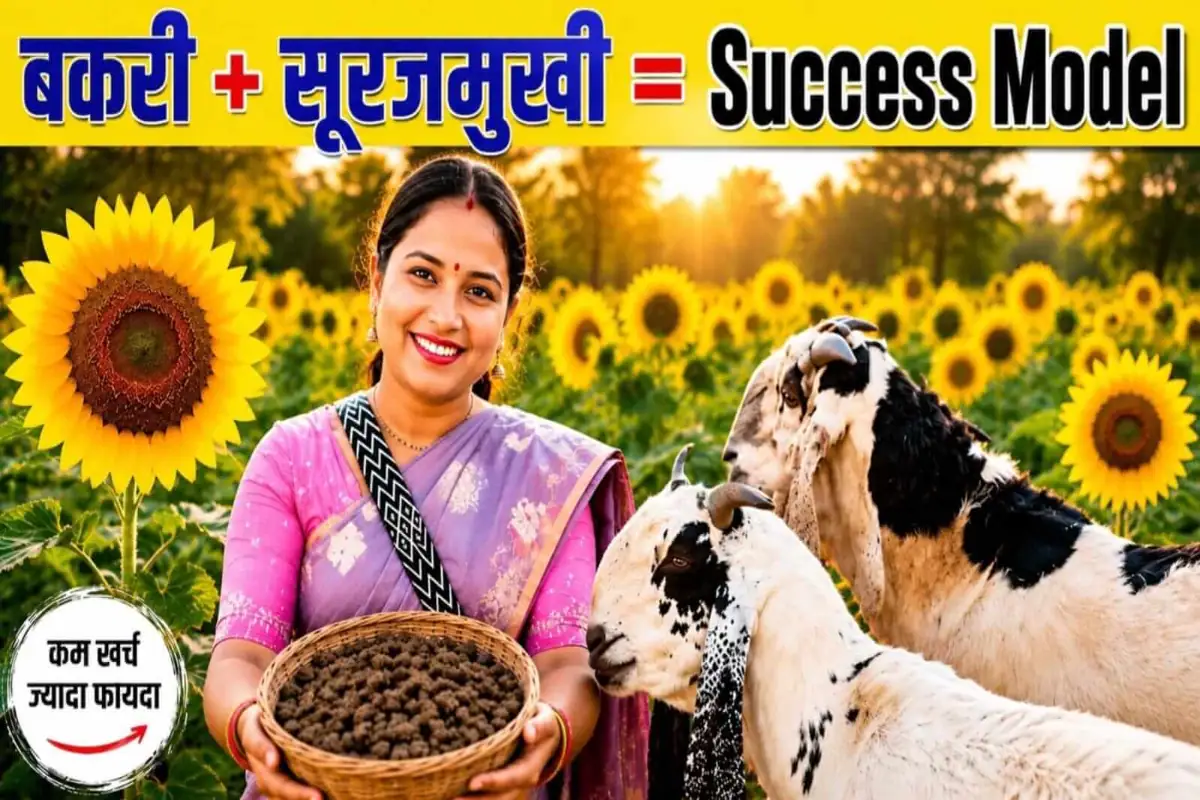
Their success story serves as a comprehensive blueprint for organic sunflower farming. By combining local government initiatives with the strategic application of farm-sourced goat manure, these women have demonstrated that sustainable agriculture is not only ecologically viable but highly profitable.
 The Core Challenge: Transforming Marginal Land
One of the biggest hurdles in modern agriculture is reclaiming marginal or degraded land. In the case of the Chipli village project, the women were faced with a 2.5-acre plot that the local community had completely written off. The soil was notoriously hard, lacked moisture retention, and was widely deemed completely unfit for crop cultivation.
[Hard, Unfertile Plot] ➔ [Goat Manure + Drip Irrigation] ➔ [High-Yield Organic Sunflowers]
The turning point came when the agricultural department, under the direction of the district administration and the Collector, provided free government sunflower seeds to the self-help group as an experimental trial. Lacking formal agricultural degrees or deep technical training in oilseed management, the women relied on resourcefulness, closing the loop between livestock rearing and crop cultivation to completely revive the dead soil.
The Secret Ingredient: The Agronomic Value of Goat Manure
While cattle manure is widely used in organic farming, goat manure is a lesser-known powerhouse that delivers exceptional results. The Swalambi group runs a diversified cooperative that includes managing a herd of approximately 150 goats. Instead of letting the livestock waste go to waste, they utilized it as the primary nutrient source for their sunflower crop.
 Why Goat Manure Works Wonders
Goat manure is structurally unique and chemically superior to many other forms of livestock waste for several reasons:
Higher Nutrient Density: Goat droppings typically contain higher concentrations of Nitrogen ($N$), Phosphorus ($P$), and Potassium ($K$) compared to cow or horse manure.
Dry and Pelletized Structure: Because the manure is produced in small, dry pellets, it is incredibly easy to collect, store, and spread uniformly across a field.
Slow-Release Feed: The pelletized form means it breaks down gradually over time, offering a steady, long-term supply of macronutrients and micronutrients to the root system rather than a sudden spike that can burn delicate roots.
Low Odor and Weed Prevention: Because goats primarily browse on brush, twigs, and varied vegetation, their digestive tracts destroy most weed seeds, minimizing weed proliferation in the field.
Economic Bonus: The economic benefits extend beyond the harvest. By managing their livestock efficiently, the women’s group generated an additional ₹20,000 simply by selling excess packaged goat manure to neighboring farmers, proving that waste-to-wealth models are highly viable in rural economies.
Step-by-Step Cultivation Blueprint for Organic Sunflowers
Sunflowers (Helianthus annuus) are highly adaptable, but achieving massive flower heads—clocking in with heavy seed weights without chemical interventions—requires precise structural planning. The following method highlights the framework practiced by the Chhattisgarh cooperative.
1. Soil Preparation and Manuring
Before sowing, the field must be cleared and aerated. Because the soil in Dhamtari was intensely compacted, a generous application of organic matter was required to alter the soil structure. The group applied heavy amounts of aged goat manure directly into the soil beds, which improved aeration, water-holding capacity, and microbial activity.
2. Strategic Spacing and Layout
Proper spacing ensures that each plant receives sufficient sunlight and doesn’t have to compete aggressively for soil nutrients. The group implemented a highly effective spatial design:
| Parameter | Measurement | Purpose |
| Plant-to-Plant Distance | ~1 Foot ($30\text{ cm}$) | Ensures sturdy stalk development and room for root expansion. |
| Row-to-Row Spacing | 4 to 5 Feet ($1.2\text{ m} – 1.5\text{ m}$) | Allows ample sunlight penetration and easy access for manual harvesting. |
3. Water Management via Drip Irrigation
Sunflowers require consistent moisture during the germination and flowering stages, but waterlogging can lead to root rot. To combat the harsh summer heat of late March in Chhattisgarh, the group paired their organic manuring with a micro-drip irrigation system. Drip irrigation delivers water directly to the base of the plant, minimizing evaporation losses and maintaining optimal soil moisture levels around the clock.
 4. Sowing Timeline
While sunflowers can be grown year-round given adequate water, timing is critical to maximize yields. The Chipli group sowed their seeds toward the tail end of March.
While this late-spring timeline pushed the crop into intense summer heat, the robust root system fostered by the organic manure allowed the plants to thrive. Ideally, however, planting earlier in the spring window is recommended to ensure harvest completion well before the arrival of heavy monsoon rains, which can complicate the drying and threshing process.
Environmental and Economic Returns
The results of this 100% organic approach speak for themselves. The sunflower heads grown by the group achieved impressive sizes, with dense seed configurations weighing an estimated 150 to 200 grams per head. The grains themselves grew remarkably plump and large, ensuring high oil-extraction efficiency.
       [Raw Seeds]
            │
    (Cold Pressing)
            │
            ▼
[Premium Organic Sunflower Oil] ──► Higher Market Value & Zero Chemical Residues
Because these sunflowers were grown with zero synthetic inputs, the oil pressed from this harvest commands a premium price in local and urban organic markets. This chemical-free approach also protects the long-term fertility of the land.
The Swalambi group has a rich history of leveraging this specific plot for chemical-free success; during the pandemic, they produced organic tomatoes, eggplants, and bitter gourds that brought in ₹5,000 to ₹7,000 daily, followed by a massive turmeric harvest that yielded ₹80,000.
 Conclusion: A Scalable Model for Modern Farmers
The success of the Swalambi Swasahayata Samuh in Dhamtari proves that organic sunflower farming is not an idealistic dream—it is a practical, highly lucrative method for modern agricultural development. By utilizing locally available resources like goat manure, smallholder farmers can bypass the rising costs of chemical fertilizers, rehabilitate poor soils, and secure high-yielding, premium harvests.
As agriculture continues to evolve in 2026 and beyond, models like the Chipli village cooperative offer a shining beacon of self-reliance, environmental stewardship, and community empowerment
.https://www.youtube.com/watch?v=H7QVy4LJf_I


